Unlocking Early Learning with the Match the Color Activity Sheet
In the vibrant world of early childhood education, few tools are as fundamental yet impactful as a well-designed Match the Color Activity Sheet. For parents, teachers, and caregivers, finding resources that seamlessly blend fun with educational rigor can be a challenge. However, this simple printable page has emerged as a cornerstone for developing cognitive skills in toddlers and preschoolers. By transforming abstract concepts into tangible tasks, these sheets provide a structured yet playful environment where children can explore, identify, and categorize the world around them.
The appeal of color matching extends far beyond mere recognition. It serves as a gateway to logical thinking, fine motor development, and visual discrimination. Whether you are a homeschooling parent looking for a quiet afternoon task or a kindergarten teacher seeking an engaging classroom game, understanding the full potential of this resource is key to maximizing its benefits.
The Educational Value Behind the Fun
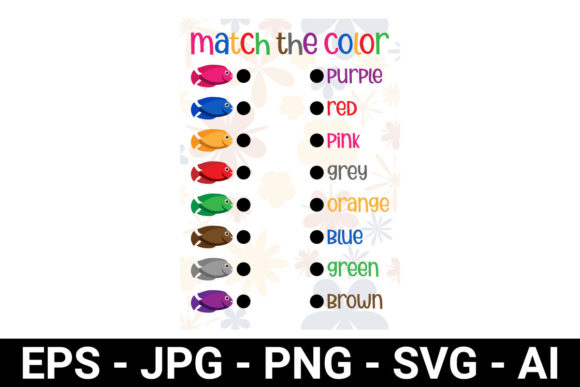
At first glance, a match the color activity sheet might appear to be a simple pastime. Yet, beneath the colorful illustrations lies a complex web of developmental milestones. When a child picks up a crayon or marker to connect a red apple to a red circle, they are not just playing; they are training their brain to process visual information and execute precise physical movements.
Cognitive Development and Logic
Color matching is one of the earliest forms of classification. It teaches children that objects can share common attributes despite differences in shape or size. This foundational skill is crucial for later mathematical concepts, such as sorting, grouping, and pattern recognition. By engaging with these worksheets, children learn to analyze features, make decisions, and find solutions to simple puzzles.
Fine Motor Skill Enhancement
The physical act of drawing lines between pairs requires hand-eye coordination and control. For toddlers who are still mastering the grip on writing instruments, these exercises serve as excellent training. The repetitive nature of the task helps strengthen the small muscles in the hands and fingers, preparing them for more complex writing tasks in elementary school.
Features of a High-Quality Activity Resource
Not all printable worksheets are created equal. When selecting a Match the Color Activity Sheet for your child or students, several characteristics define a superior educational tool. Modern digital resources often come in versatile formats, ensuring that the material remains crisp and clear regardless of how it is used.
- Vector Versatility: High-quality packs often include AI, EPS, and SVG files. These vector formats allow educators and designers to scale the images to any size without losing quality, making them perfect for large classroom posters or tiny flashcards.
- Print-Ready Formats: JPG and PNG files are essential for immediate use. They ensure that the colors remain vibrant and the lines distinct when printed on standard home printers.
- Cute and Engaging Illustrations: Children are naturally drawn to cartoon animals, bright fruits, and friendly characters. A visually appealing design keeps kids interested and motivated to complete the exercise.
- Clear Instructions: Simple, intuitive layouts help children understand the task independently, fostering a sense of autonomy and confidence.
A comprehensive ZIP folder containing these varied file types offers immense value. It allows creators to customize the experience, perhaps changing the background color for contrast or isolating specific elements for different learning stages.
Practical Applications in Various Settings
The versatility of the match the color activity sheet means it can be integrated into numerous environments. Its simplicity makes it accessible, while its educational depth ensures it remains relevant across different age groups and learning objectives.
In the Classroom
For kindergarten and preschool teachers, these sheets are invaluable for morning routines or transition activities. They can be used as:
- Warm-up Exercises: A quick five-minute task to settle students down and focus their attention.
- Assessment Tools: Teachers can observe how quickly and accurately a child completes the match to gauge their color recognition skills.
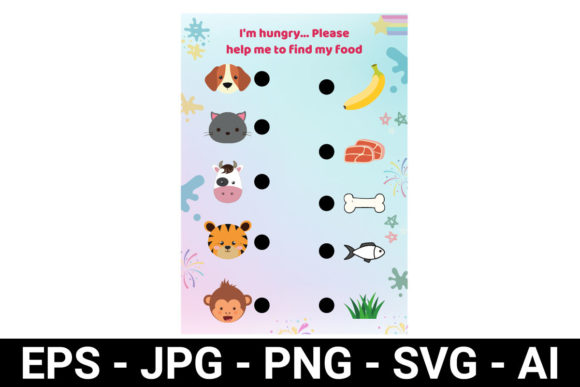
- Group Games: Printed sheets can be cut into cards for a memory game or a "find the pair" scavenger hunt around the room.
At Home
Parents can utilize these printables to turn screen time into study time. Instead of passive consumption, children engage in active learning. It is an ideal homework alternative that feels like play. Furthermore, it provides a structured activity for rainy days or travel, keeping kids occupied with a productive task.
Therapeutic and Special Education Contexts
Occupational therapists and special education professionals often use color matching tasks to help children with developmental delays improve visual tracking and concentration. The clear, high-contrast designs found in quality vector illustrations can be particularly helpful for children with visual processing difficulties.
Strengths and Considerations
While the benefits are significant, it is important to approach these activities with realistic expectations. Understanding both the strengths and limitations will help you integrate them effectively into your teaching or parenting strategy.
Key Strengths
Accessibility is perhaps the greatest advantage. Almost any child can participate, regardless of language ability, as color is a universal concept. Additionally, the low cost of printable resources makes high-quality education accessible to families on a budget. The instant feedback loop—seeing the line connect the correct pairs—provides immediate satisfaction and reinforcement.
Potential Limitations
However, color matching is only one piece of the puzzle. It should not be relied upon as the sole method of instruction. Some children may struggle with color blindness, requiring adaptations such as using shapes or patterns instead of hues. Moreover, if the worksheet is too difficult or cluttered, it may lead to frustration rather than learning. It is crucial to choose age-appropriate designs; a toddler needs simple, bold images, while an older preschooler might enjoy more intricate scenes with multiple colors.
How to Choose the Right Worksheet
With countless options available online, selecting the best Match the Color Activity Sheet requires a discerning eye. Here are some guidelines to help you evaluate suitability:
Check the Resolution: Ensure that JPG and PNG files are high resolution (300 DPI) to prevent pixelation when printed. Blurry lines can be frustrating for young children trying to stay within bounds.
Evaluate the Design: Look for clean, uncluttered layouts. The connection between items should be obvious. Avoid sheets with distracting backgrounds that might confuse the child.
Consider the Theme: Children are more engaged when the content interests them. If your child loves animals, choose a sheet featuring lions, elephants, and bears. If they prefer vehicles, opt for cars and trucks. Thematic relevance boosts motivation.
Look for Variety: A good resource pack should offer more than one type of matching. Some sheets might ask children to color the object, while others require drawing a line. This variety prevents boredom and challenges different skills.
Maximizing the Learning Experience
To get the most out of these printables, consider extending the activity beyond the paper. After completing the sheet, ask the child to find real-world objects that match the colors they just worked with. For example, if they matched a yellow banana, encourage them to find something yellow in the room. This bridges the gap between abstract representation and concrete reality.
You can also turn the activity into a social game. Have siblings or classmates work together to solve the puzzle, promoting teamwork and communication. Discuss the colors as you go: "Why did you choose blue for the sky?" This verbalization reinforces vocabulary and conceptual understanding.
Conclusion
The match the color activity sheet is more than just a way to keep children busy; it is a powerful educational tool that supports cognitive, motor, and visual development. By choosing high-quality, versatile resources that include vector and print-ready formats, educators and parents can create rich learning experiences tailored to individual needs. Whether used in a bustling kindergarten classroom or a quiet living room, these simple pages offer a creative, colorful, and effective path to early learning success. Embrace the fun, encourage the exploration, and watch as your child’s confidence grows with every matched pair.