Unlocking Early Learning: The Power of Printable Activity Books for Toddlers and Preschoolers
In the digital age, where screens dominate much of our daily interaction, there is a growing movement among parents and educators to return to tactile, hands-on learning experiences. At the heart of this shift is the Kids Activity Book, a versatile educational tool designed specifically for toddlers and young children. These books are not merely collections of random images; they are carefully structured resources that blend fun with education, helping children develop critical cognitive and motor skills during their most formative years.
Whether you are a parent homeschooling your child, a preschool teacher looking for supplementary materials, or a creative professional seeking high-quality assets, understanding the value and mechanics of these activity books is essential. This guide explores the purpose, design, and practical application of printable activity templates, focusing on how they support early childhood development through engaging tasks like coloring, searching, and matching.
The Educational Foundation: Why Activity Books Matter
Early childhood education is built on the principle that children learn best through play. An educational activity book serves as a bridge between unstructured play and formal schooling. For toddlers and preschoolers, the act of completing a worksheet is not just about finishing a task; it is an exercise in focus, patience, and problem-solving.
Consider the simple act of coloring. When a child picks up a crayon to fill in a picture of a lion or a dog, they are doing more than just making art. They are refining their fine motor skills, strengthening the hand muscles necessary for writing, and learning hand-eye coordination. Similarly, a "find the difference" game or a search task helps develop visual discrimination and attention to detail. These are foundational skills that translate directly to academic success in kindergarten and beyond.
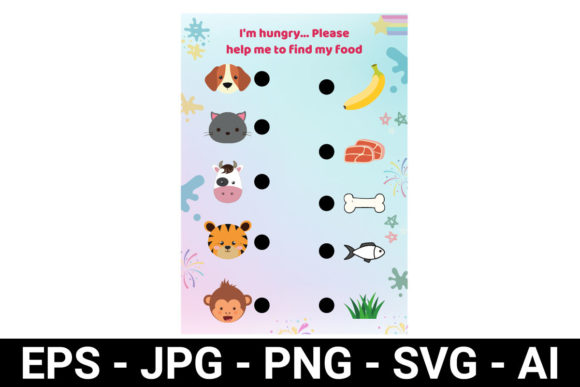
Moreover, these activities introduce children to basic concepts in a low-pressure environment. A simple matching game featuring cute animals can teach categorization and logic. By associating a picture of a tiger with its name, or grouping farm animals together, children begin to understand the world around them. This method of teaching is effective because it is interactive and rewarding, keeping the child engaged without the stress of a formal test.
From Digital Files to Physical Learning Tools
One of the most significant advantages of modern activity books is their accessibility through digital formats. Today, many resources are available as downloadable ZIP folders containing various file types such as AI, EPS, SVG, JPG, and PNG. This versatility allows for a customized learning experience.
- JPG and PNG pairs: These raster image formats are perfect for immediate printing. Parents and teachers can simply download, print, and hand them out. They are ideal for standard worksheets, coloring pages, and flashcards.
- SVG and EPS files: These vector graphics are scalable without losing quality. Designers and educators can use these files to resize illustrations for large posters or small stickers, ensuring that the illustration remains crisp and clear regardless of the output size.
- AI (Adobe Illustrator) files: For those who wish to customize the content, AI files allow for editing text, changing colors, or modifying elements before printing. This is particularly useful for creating personalized learning materials tailored to a specific child’s interests.
This flexibility means that a single purchase can yield hundreds of unique worksheets. You can print a black-and-white outline for a coloring session or a full-color version for a visual recognition game. The ability to reprint pages also means that if a child makes a mistake or wants to try again, there is no waste—just another opportunity to learn.
Exploring Common Activities and Their Benefits
A comprehensive kids' activity book typically includes a variety of exercises, each targeting different developmental areas. Understanding these categories can help adults select the right tasks for their children’s current skill levels.
- Coloring Pages: Perhaps the most popular activity, coloring encourages creativity and color recognition. Themes often include cartoon animals, nature scenes, or everyday objects. It is a calming activity that allows children to express themselves artistically.
- Search and Find Games: These puzzles challenge children to locate specific items within a busy scene. For example, finding all the hidden bones in a picture of a park helps improve concentration and visual scanning abilities.
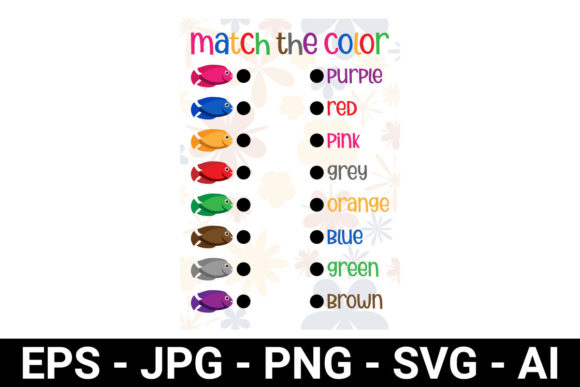
- Matching and Pairing: Tasks that require connecting related images, such as a mother animal to its baby, foster logical thinking and memory retention. This is a crucial step in developing cognitive associations.
- Mazes and Paths: Navigating a maze from start to finish requires planning and spatial awareness. It teaches children to think ahead and correct their course if they hit a dead end, fostering resilience and problem-solving skills.
Each of these activities can be themed around subjects that captivate young minds, such as animals. A worksheet featuring a tiger, a lion, and a dog not only teaches animal names but can also introduce concepts like big vs. small, wild vs. domestic, or sounds they make. This contextual learning makes the information stickier and more enjoyable.
Integrating Activity Books into Daily Routines
To maximize the benefits of these educational tools, consistency is key. However, this does not mean forcing a child to complete worksheets for hours. Instead, integrate short, focused sessions into daily life. Here are some practical ways to do so:
Morning Warm-ups: Start the day with a simple coloring page or a matching game. This helps children transition from sleep to wakefulness while engaging their brains gently.
Travel Companions: Printable activity books are lightweight and easy to pack. Keep a few printed sheets in the car or bag for waiting rooms, restaurants, or long trips. They provide a screen-free alternative that keeps children occupied and learning.
Themed Learning Weeks: If your child is fascinated by a particular topic, such as jungle animals, curate a week of activities around that theme. Use the vector illustrations to create custom flashcards, coloring pages, and search games. This immersive approach deepens understanding and keeps enthusiasm high.
Addressing Common Misconceptions
Despite their popularity, some misconceptions about activity books persist. One common assumption is that they are purely for entertainment and lack academic rigor. In reality, well-designed worksheets are grounded in early childhood education principles. They align with developmental milestones and prepare children for the structured environment of school.
Another misunderstanding is that digital resources are inferior to physical books. On the contrary, digital downloads offer unparalleled convenience and customization. You can choose exactly which pages to print, reducing paper waste and allowing for targeted practice. If a child struggles with letter recognition, you can print extra alphabet worksheets. If they master counting quickly, you can move on to more complex number tasks. This adaptability is something static, pre-printed books cannot offer.
Furthermore, some parents worry that using worksheets might stifle creativity. However, when used as part of a balanced routine that includes free play, outdoor activity, and reading, worksheets serve as a valuable supplement. They provide structure and guidance, helping children build confidence in their abilities. The key is to keep the atmosphere positive and pressure-free. Celebrate effort rather than perfection, and let the child explore the materials at their own pace.
Conclusion: A Tool for Lifelong Learning
The Kids Activity Book is more than just a collection of pages; it is a gateway to early learning. By combining engaging visuals with purposeful tasks, these resources support the holistic development of toddlers and preschoolers. From enhancing fine motor skills through coloring to boosting cognitive abilities with search and match games, every activity plays a role in preparing children for future academic success.
With the availability of high-quality digital formats like SVG, PNG, and AI, creating a personalized learning environment has never been easier. Whether you are a parent, teacher, or caregiver, incorporating these printable tools into your routine can make learning a joyful and effective experience. Embrace the blend of art, design, and education to nurture a love for learning that lasts a lifetime.
For those interested in exploring more resources, consider looking for comprehensive packs that offer a wide variety of themes and difficulty levels. This ensures that as your child grows, their learning materials can grow with them, providing continuous challenges and opportunities for discovery.