Mastering Online Education with Visual Assets
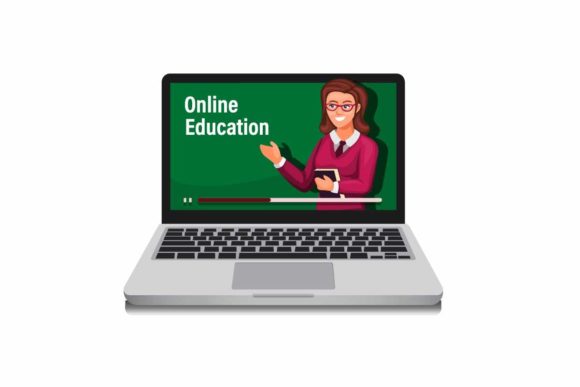
The shift toward Online Education has transformed how we teach, learn, and share knowledge. For educators, instructional designers, and content creators, the challenge is no longer just about transferring information but doing so in a way that captures attention and retains interest in a digital environment. Visuals play a pivotal role in this process. A well-curated collection of educational illustrations can bridge the gap between abstract concepts and student understanding, making your quarantine e-learning programs or school online teaching material significantly more effective.
When you invest in high-quality graphic resources, you are not merely decorating slides; you are enhancing cognitive processing. This product, which includes one EPS10 file and a 72ppi resolution JPEG preview, offers the flexibility needed for modern digital pedagogy. Whether you are building a comprehensive course module or a quick social media explainer, having access to versatile vector graphics allows you to maintain professional standards without starting from scratch.
Why Visuals Matter in Digital Learning
In traditional classrooms, teachers rely on body language, tone, and physical props to engage students. In Online Education, these cues are often lost. Visual illustrations step in to fill that void. They serve as anchor points for memory, helping learners associate complex ideas with simple, recognizable imagery. Research consistently shows that combining text with relevant images improves retention rates compared to text alone.
Moreover, the aesthetic quality of your materials reflects directly on your brand or institution. Sloppy clip-art can undermine credibility, while clean, modern illustrations signal professionalism and care. By using a dedicated set of educational illustrations, you ensure consistency across all your materials. This uniformity helps create a cohesive learning journey, reducing cognitive load for students who might otherwise be distracted by disparate design styles.
Key Characteristics of Effective Educational Graphics
Not all images are created equal. When selecting assets for your Online Education platforms, consider the following traits that make this specific collection valuable:
- Scalability: The inclusion of an EPS10 file means your graphics are vector-based. You can resize them from a tiny icon to a massive banner without losing clarity. This is crucial for responsive design, where content must look sharp on smartphones, tablets, and desktop monitors alike.
- Accessibility: Clear, distinct lines and balanced compositions help learners with visual processing difficulties. Avoid overly cluttered images that compete with your text for attention.
- Relevance: The illustrations should directly support the learning objective. If you are teaching about remote collaboration, show people connecting via devices, not just generic happy faces.
- Customizability: Vector files allow you to change colors to match your brand guidelines. This level of control ensures that your teaching material feels unique to your organization rather than generic.
Practical Applications Across Industries
The utility of these illustrations extends far beyond traditional academic settings. Here is how different professionals can leverage these assets to enhance their Online Education initiatives:
Corporate Training and Development
Human resources departments and team leaders frequently use online modules for onboarding and compliance training. These topics can be dry, but engaging visuals can break up dense text and keep employees focused. Use the illustrations to depict workplace scenarios, safety protocols, or software interfaces. The professional look of vector graphics reinforces the seriousness of the training while keeping the experience user-friendly.
Freelance Course Creators
If you are an entrepreneur selling courses on platforms like Udemy or Teachable, your marketing materials are just as important as the content itself. Use the JPEG previews for social media posts, email newsletters, and landing pages. The high-resolution vectors can be used within the course videos themselves to illustrate key points. Consistent branding through visuals helps build trust with potential students, increasing conversion rates.
K-12 and Higher Education
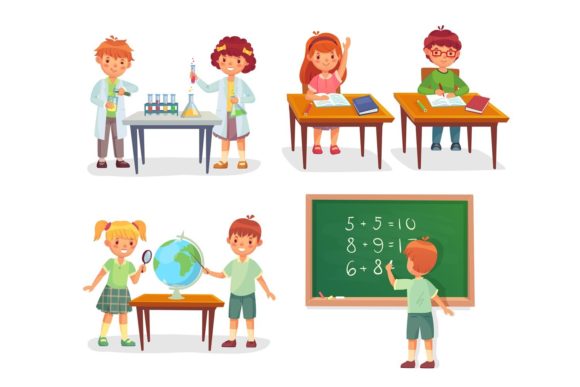
Teachers transitioning to remote learning need resources that are both quick to implement and visually appealing. Instead of spending hours drawing diagrams, you can drop these pre-made illustrations into PowerPoint presentations, Google Slides, or Learning Management Systems (LMS) like Canvas or Moodle. They are particularly useful for explaining abstract concepts in science, math, or social studies, providing a visual scaffold for young learners.
Enhancing User Experience and Engagement
User experience (UX) in Online Education is about more than just navigation; it is about how the content feels to consume. Well-placed illustrations guide the eye, break up long blocks of text, and provide visual rest periods. This pacing prevents learner fatigue, a common issue in self-paced online courses.
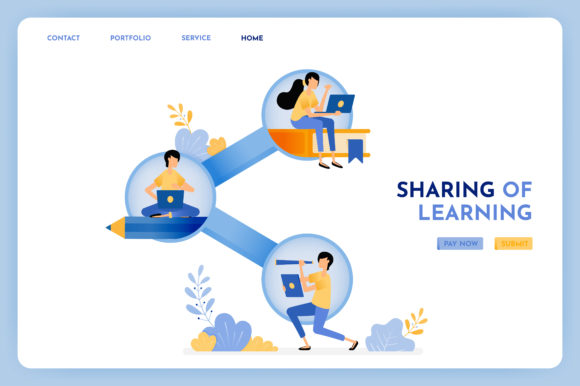
Furthermore, visuals can evoke emotion. An illustration showing a student achieving a goal can inspire motivation. One depicting a collaborative team can foster a sense of community, even in isolated learning environments. By carefully selecting images that align with the emotional tone of your lesson, you create a more immersive and supportive educational atmosphere.
Technical Considerations for Implementation
To get the most out of this product, it is essential to understand the technical specifications. The package includes two main files:
- EPS10 File: This is your master file for editing. You will need vector graphic software like Adobe Illustrator, CorelDRAW, or Inkscape to open and modify it. Use this file when you need to change colors, adjust shapes, or scale the image for print or high-definition screens.
- 72ppi Resolution JPEG: This file serves as a quick preview and is ready for immediate web use. It is ideal for drag-and-drop situations where you do not need to edit the graphic, such as inserting it into a Word document, a basic slide deck, or a blog post.
Always ensure that your final output matches the medium. For web-based Online Education platforms, optimize your images to balance quality and load speed. While vectors are lightweight, exported PNGs or JPEGs should be compressed appropriately to ensure fast page loads, which is critical for maintaining student engagement.
Making the Right Choice for Your Content
When evaluating whether this collection fits your needs, consider your current workflow. If you already use design software, the EPS10 file offers immense value for customization. If you are looking for quick, plug-and-play solutions, the JPEGs provide immediate utility. Remember, the goal of Online Education is to facilitate learning, not to showcase design prowess. However, good design removes barriers to learning.
Avoid the temptation to over-decorate. Use illustrations strategically to highlight key concepts, introduce new sections, or summarize takeaways. Less is often more. A single, powerful image can convey a message more effectively than a collage of mediocre ones. By integrating these educational illustrations thoughtfully, you elevate the quality of your digital content, making it more accessible, engaging, and professional.
In conclusion, investing in quality visual assets is a strategic move for anyone involved in Online Education. Whether you are a teacher, a corporate trainer, or a content creator, these tools empower you to communicate more effectively. They save time, enhance brand perception, and ultimately, help your audience learn better. Embrace the power of visual storytelling to transform your online teaching materials from mundane to memorable.