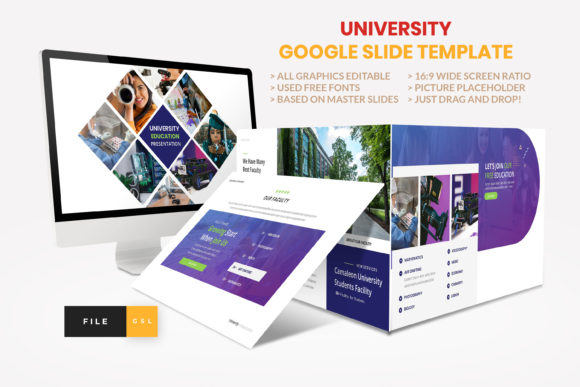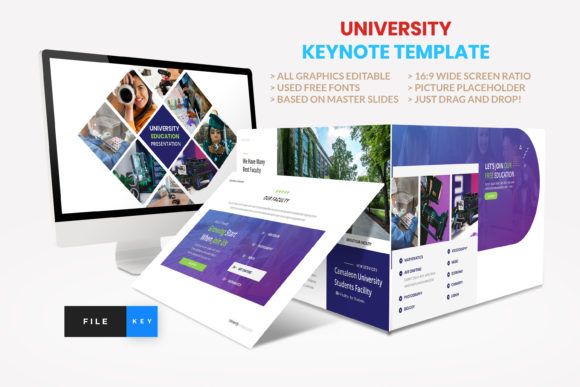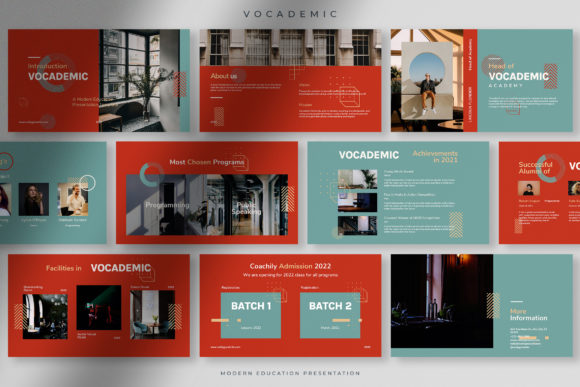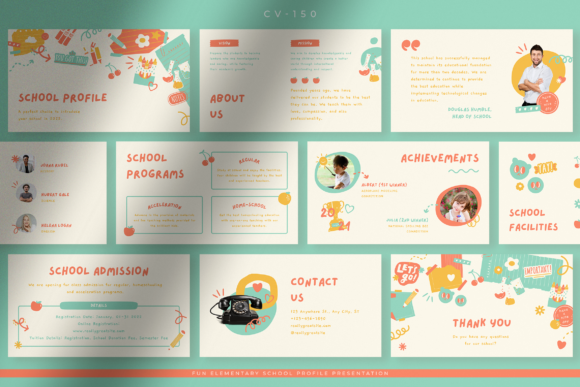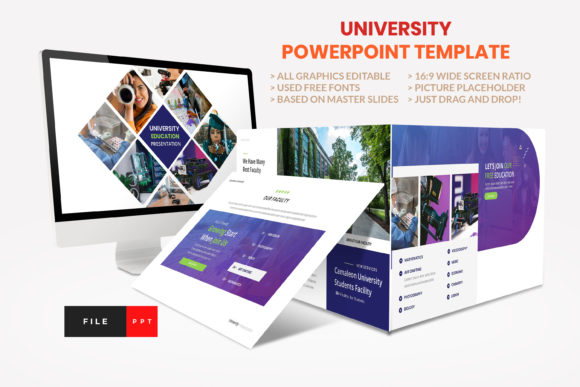
University Education College Powerpoint: Elevating Academic and Professional Presentations
In the fast-paced world of higher education and corporate training, the visual delivery of information is just as critical as the content itself. Whether you are a professor lecturing on complex scientific theories, a student defending a thesis, or a corporate trainer rolling out a new compliance module, your slides serve as the backbone of your narrative. This is where a specialized tool like University Education College Powerpoint becomes indispensable. It is not merely a collection of slides; it is a structured framework designed to bridge the gap between academic rigor and modern aesthetic appeal.
The challenge many educators and professionals face is not a lack of knowledge, but a lack of time and design expertise. Spending hours aligning text boxes, searching for consistent icons, or worrying about font compatibility detracts from the core mission: teaching and communicating. A template built specifically for the educational sector addresses these pain points by offering a ready-made, professional environment that respects the seriousness of academia while embracing the clarity of modern design.
Bridging the Gap Between Academia and Modern Design
Traditional academic presentations often suffer from cluttered layouts, inconsistent branding, and outdated visuals. Conversely, overly creative business templates can sometimes feel too casual for a university setting. The University Education College Powerpoint template strikes a delicate balance. It utilizes a minimalist and elegant approach that ensures the focus remains on the subject matter—be it literature, engineering, or business management—while providing a polished, contemporary look.
This balance is achieved through master slides that enforce consistency. When you are preparing a semester-long course or a multi-part seminar, consistency builds trust with your audience. Students and attendees subconsciously associate a cohesive visual identity with professionalism and preparedness. By using a template based on master slides, you ensure that every header, footer, and transition feels part of a unified whole, rather than a patchwork of different designs.
Versatile Applications Across Educational and Corporate Sectors
While the name suggests a strict academic focus, the utility of this template extends far beyond the lecture hall. Its clean, vector-based graphics and resizable elements make it adaptable to various scenarios where clear communication is paramount.
- Online Learning and E-Learning Courses: With the surge in remote education, instructors need slides that are legible on smaller screens. The 16:9 wide-screen ratio and high-contrast layouts ensure that students watching via Zoom or pre-recorded video courses can easily read key points without strain.
- Student Thesis and Project Defenses: For graduate students, the pressure of a final defense is immense. Having a template that looks authoritative yet unobtrusive allows the research to shine. The picture placeholders allow for easy integration of charts, data visualizations, and experimental results without breaking the layout.
- Corporate Training and Onboarding: Many universities partner with industries for continuing education. This template’s corporate-style undertones make it perfect for professional development workshops, diploma certifications, and faculty training sessions. It signals that the content is both educational and applicable to real-world business scenarios.
- Scientific Seminars and Conferences: Researchers presenting at conferences need to convey complex data quickly. The inclusion of vector icons and editable graphics means you can customize diagrams to fit specific scientific models or technological frameworks without losing resolution.
Practical Benefits for Educators and Content Creators
For teachers and instructional designers, the primary benefit is efficiency. The "drag and drop" functionality mentioned in the template features is not just a marketing buzzword; it is a significant time-saver. Instead of building a slide from scratch, you select a layout that matches your content type—whether it is a quote, a team introduction, or a comparative analysis—and insert your text. This modular approach allows educators to focus on pedagogy rather than pixel-pushing.
Moreover, the use of free web fonts is a crucial consideration for accessibility and compatibility. When sharing presentation files with colleagues or students, proprietary fonts often cause formatting errors if the recipient does not have them installed. By sticking to recommended free web fonts, the University Education College Powerpoint ensures that your message appears exactly as intended, regardless of the device or operating system used to view it.
Enhancing Engagement Through Visual Hierarchy
Effective teaching relies on guiding the learner’s attention. A well-designed template uses visual hierarchy to highlight what is important. In this template, the minimalist layouts prevent cognitive overload. By limiting decorative elements and focusing on clean lines and ample white space, the design helps students process information more effectively. This is particularly useful in dense subjects like law, medicine, or advanced mathematics, where clarity is essential for comprehension.
The inclusion of 36 total slides provides a comprehensive toolkit. You are not limited to basic title and bullet-point slides. The variety includes layouts for timelines, process flows, and image galleries. This diversity allows for dynamic storytelling. For instance, a history professor can use timeline slides to map out eras, while a business instructor can use process flows to explain supply chain logistics. This versatility keeps the audience engaged and prevents the monotony often associated with long lectures.
Considerations Before Choosing Your Template
While the advantages are clear, it is important to approach any template with a strategic mindset. First, consider your institutional branding. Although the template is highly customizable, ensure that the base color scheme aligns with your university or organization’s identity. The editable nature of the graphics allows for quick color swaps, but starting with a compatible palette saves time.
Second, be mindful of image usage. As noted in the documentation, demo images are for preview purposes only. You will need to source your own high-quality images that are relevant to your specific topic. Using generic stock photos can undermine the authenticity of your presentation. Instead, opt for real photos of your campus, your lab, or your team to create a stronger connection with your audience.
Finally, remember that technology is a tool, not a crutch. The template provides the structure, but the value comes from your expertise. Use the slide notes and documentation file to plan your narrative flow before you start designing. A beautiful slide deck cannot compensate for poorly structured content, but a well-structured narrative paired with a professional design like University Education College Powerpoint can significantly enhance learning outcomes and professional impact.
In conclusion, whether you are creating an online course, preparing for a graduation ceremony, or leading a faculty seminar, the right visual tools matter. This template offers a robust, flexible, and aesthetically pleasing foundation that respects the intelligence of your audience while simplifying your workflow. By leveraging its features, you can transform standard presentations into compelling educational experiences that resonate with students, peers, and professionals alike.