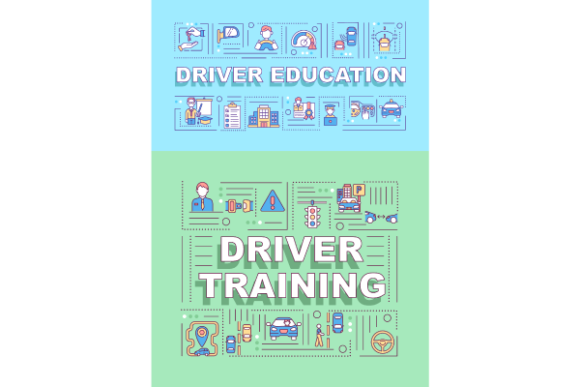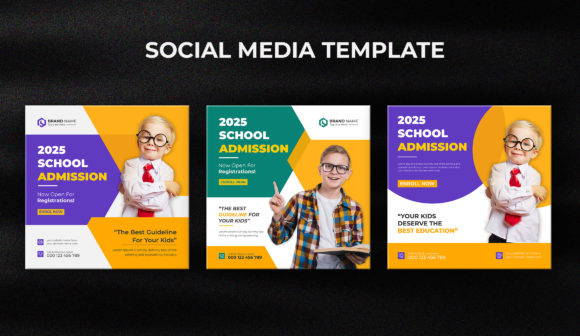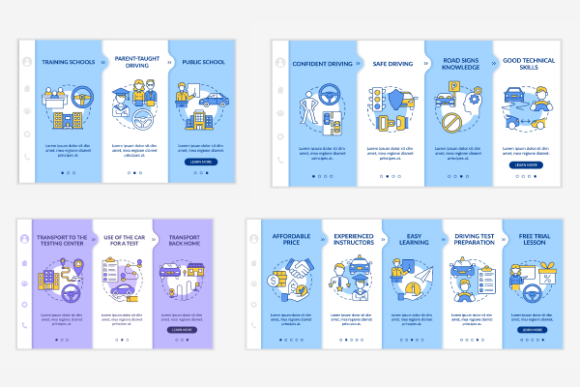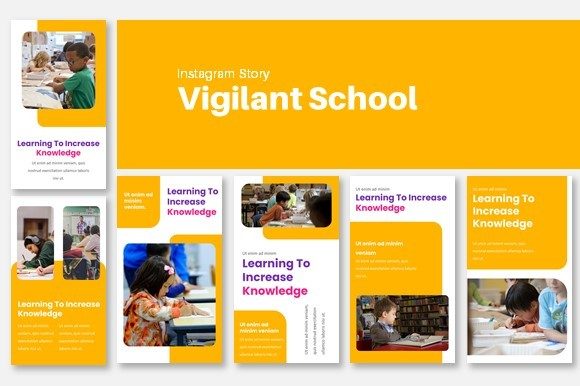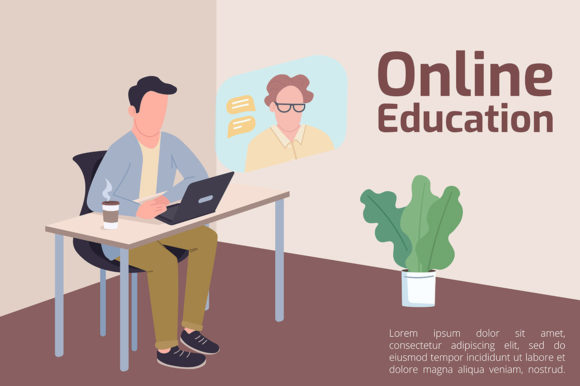
Online Education Banner Flat Vector
In the rapidly evolving landscape of digital marketing, visual communication is not just an accessory; it is the primary language. For educators, course creators, and ed-tech startups, the challenge often lies not in the quality of the curriculum, but in how effectively that value is communicated at a glance. This is where the Online Education Banner Flat Vector becomes an indispensable asset. It represents more than just a graphic element; it is a strategic tool designed to bridge the gap between complex educational offerings and the immediate attention spans of potential students.
The modern learner is inundated with information. Whether they are scrolling through social media feeds, checking emails, or browsing educational platforms, their eyes are trained to filter out noise. A well-crafted banner cuts through this clutter. By utilizing a flat design aesthetic combined with vector scalability, these templates offer a clean, modern, and highly adaptable solution for promoting remote studying and e-learning initiatives. The inclusion of cartoon characters adds a layer of approachability, transforming what could be a sterile academic announcement into an inviting, human-centric invitation to learn.
The Strategic Value of Flat Design in E-Learning
Flat design has dominated user interface and web graphics for years, and for good reason. It prioritizes usability and clarity over ornamental details. When applied to an online education banner flat vector template, this style ensures that the core message remains the focal point. The absence of heavy shadows, gradients, or realistic textures reduces cognitive load, allowing viewers to process the information quickly.
For marketers and designers, the vector format is equally critical. Unlike raster images that pixelate when resized, vector graphics maintain crisp edges at any dimension. This means a single file can serve as a massive billboard header, a mid-sized website hero image, or a small mobile ad without losing quality. This versatility is crucial for campaigns that need to run across multiple platforms simultaneously. The ability to edit colors, shapes, and text directly within software like Adobe Illustrator or Affinity Designer allows for rapid iteration and brand consistency.
Humanizing Remote Learning Through Character Design
One of the most compelling features of this specific template concept is the integration of cartoon characters. Remote studying can often feel isolating or impersonal. By incorporating friendly, diverse, and engaging illustrations of students and teachers, the design injects warmth and relatability into the promotional material. These characters are not merely decorative; they serve as emotional anchors.
Consider the psychology of the viewer. An adult learner returning to school after a long break may feel apprehensive. A banner featuring a stressed-looking student might resonate with their fears, but a banner showing a confident, happy learner using a laptop suggests success and ease. These visual cues help potential students visualize themselves in the learning environment. For creators, this means selecting or customizing characters that reflect the target demographic. If the course is aimed at corporate professionals, the characters might wear business casual attire. If it is for creative hobbyists, the illustrations might feature more vibrant colors and relaxed postures.
Versatile Applications for Creators and Businesses
The utility of an Internet school brochure or poster concept extends far beyond a simple website header. Because the ZIP file typically contains EPS, JPG, PNG, SVG, and AI formats, the asset is ready for a wide array of professional applications. Here is how different users can leverage this resource:
- Digital Marketers: Use the horizontal flyer layout for email newsletters. The designated place for text allows for clear calls-to-action, such as "Enroll Now" or "Start Your Free Trial," ensuring high conversion rates.
- Social Media Managers: Extract individual elements, such as the cartoon characters or background shapes, to create cohesive posts for Instagram, LinkedIn, or Facebook. The flat style translates well to square and vertical formats with minor adjustments.
- Educational Institutions: Print the high-resolution JPG or PNG files for physical campus posters or orientation leaflets. The clean design ensures readability from a distance.
- Freelance Designers: Use the AI or EPS files as a starting point for client projects. Customizing the color palette to match a client’s brand guidelines is straightforward, saving hours of initial sketching time.
Customization and Brand Consistency
While templates provide a strong foundation, true effectiveness comes from customization. A generic banner will rarely outperform one that feels tailor-made. When working with an online education banner flat vector, start by aligning the color scheme with your existing brand identity. If your brand uses calming blues and greens to signify trust and growth, adjust the vector colors accordingly. Avoid clashing hues that might distract from the text.
Typography is another critical element. The template provides a place for text, but the choice of font can make or break the design. Sans-serif fonts generally pair best with flat design due to their clean lines and modern feel. Ensure there is sufficient contrast between the text color and the background. Legibility should never be sacrificed for style. Keep the headline concise and benefit-driven. Instead of "Online Course Available," try "Master New Skills from Home."
Practical Tips for Effective Implementation
To maximize the impact of your e-learning promotional materials, consider the following practical recommendations:
- Focus on the Hierarchy: Ensure the most important information—usually the course title or main benefit—is the largest and most prominent element. The eye should naturally flow from the headline to the character illustration, and finally to the call-to-action.
- Optimize for Mobile: With a significant portion of users accessing content via smartphones, test how the banner looks on smaller screens. Simplify the design if necessary, removing non-essential elements to prevent clutter.
- Maintain White Space: Do not fill every inch of the banner. Negative space helps frame the content and makes the design feel premium and organized. It gives the viewer’s eyes a place to rest.
- Test Variations: Create multiple versions of the banner with different headlines or character poses. A/B testing can reveal which visuals resonate most with your specific audience.
Empowering Creativity Without Complexity
For many small business owners and independent educators, design resources can seem intimidating. However, tools like the Online Education Banner Flat Vector democratize high-quality design. They lower the barrier to entry, allowing individuals with limited graphic design experience to produce professional-grade materials. The key is to view the template not as a rigid constraint, but as a flexible framework.
By understanding the principles behind flat design and the psychological impact of character illustrations, you can adapt these assets to suit virtually any educational niche. Whether you are launching a coding bootcamp, a language learning app, or a yoga certification program, the underlying structure of clear communication and visual appeal remains constant. The goal is to inspire confidence in your potential students, showing them that learning with you is accessible, enjoyable, and rewarding.
In conclusion, integrating a well-designed vector banner into your marketing strategy is a small investment with potentially significant returns. It enhances brand perception, improves engagement rates, and ultimately supports your mission to educate and empower. By leveraging the flexibility of vector formats and the charm of flat design characters, you create a visual narrative that speaks directly to the aspirations of modern learners. Embrace these tools, customize them with care, and watch your educational offerings gain the visibility they deserve.